Somewhere after the first batch of articles, a lot of people building a site in the evenings start to feel restless. The topic that looked promising a few months ago now feels narrow, or dull, or too far from what you care about. If that is where you are, the question of what to do when you outgrow your niche is a normal one to be asking, and it usually comes up because you have done enough work to see the site clearly.
This article is about what comes after the first site is up and running. It is not about choosing a niche from scratch. It is about reading the restlessness correctly and deciding what to do with it.
Why feeling bored with your niche is not a sign you failed
Boredom is information. To feel bored with a topic, you first have to spend enough evenings on it to know it well. A beginner cannot be bored by a subject, because everything in it is still new. When the subject starts to feel familiar, you have learned it.
Most beginner advice treats the first niche as a permanent decision, as if choosing wrong means starting over. A site is more flexible than that. Articles can be edited, categories can be added, and a second site can be started when the time is right. Nothing about your first choice locks you in.
The harder part is that boredom and a real mismatch feel the same from the inside. Tiredness after a long day at work can look like losing interest in the topic. A slow stretch of results can look like the niche being too small. Before you change anything, work out which of these you are dealing with.
Three ways you can actually outgrow a niche
Outgrowing a niche takes one of three forms, and each calls for a different response.

You outgrew the interest. The subject no longer holds your attention when you sit down to write. Research feels like a chore, and you postpone sessions because the topic itself is dull, not because you are tired.
You outgrew the audience. The readers you wrote for at the start have moved on, or you have. Maybe you began writing for complete beginners, and your own knowledge is now far beyond what those articles assume. Or the questions people send you no longer match what the site covers.
You outgrew the topics. You have answered most of the questions you can think of, and new article ideas come slowly. This is different from boredom. You may still like the subject, but the list of things to write about has run short.
Write down which one sounds most like you. Many people feel all three at once, but one is usually doing most of the work, and that one tells you where to start.
Go deeper first: the questions to ask before you change anything
Going deeper is the cheapest option, because everything you have already built stays useful. Run through these questions before you decide the niche is finished.
- Have you covered the reader’s whole path? A person interested in your subject has a first question, a comparison stage, a problem-solving stage and an advanced stage. Many first sites cover only the first.
- Are there questions your existing articles raise but do not answer? Each article tends to mention things it does not explain. Those mentions are a ready list of next articles.
- Do your older articles still say what you now know? After a few months you probably understand the subject better than you did when you wrote the first posts. Updating them is real progress, and it often reveals gaps.
- Are you writing the same angle every time? If every article is a how-to, try a comparison, a mistakes list or a guide for a specific kind of reader.
- Is the dullness in the topic or in the format? Switching from product-focused writing to something closer to your own interests, within the same subject, can change how the work feels.
If the answers show a lot of room, the niche is not too small. It is only under-explored. If the answers show you have covered it well and still feel stuck, that points toward widening.
Widen to a neighbouring topic without confusing the readers you already have
Widening means adding a topic next to your current one, not replacing it. The test for a good neighbour is simple: would your current reader plausibly ask about it next? Someone who has just solved one problem in your subject usually runs into a related one, and that related problem is the neighbouring topic.
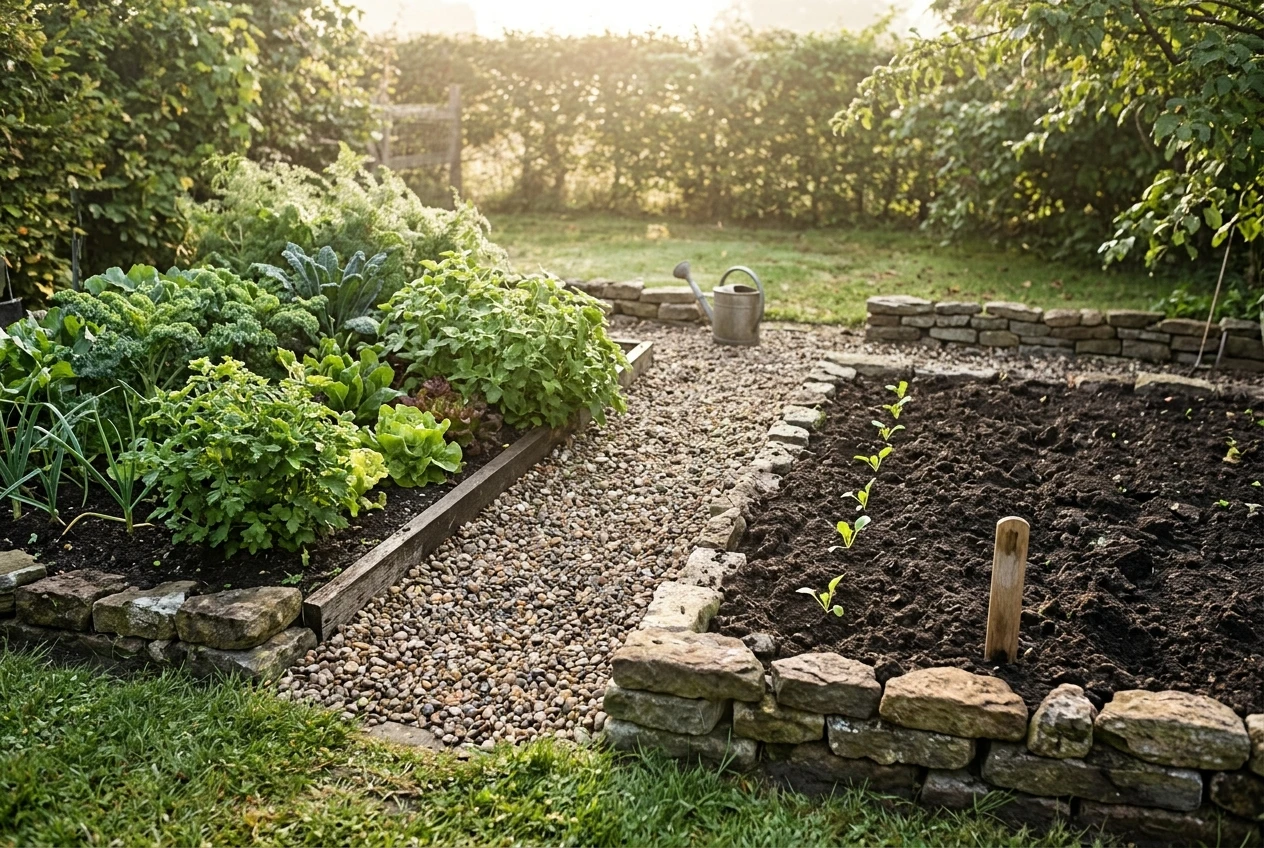
A few practical habits keep the site clear for the people already reading it:
- Add the new topic as its own category. Readers should be able to tell at a glance where the old material ends and the new begins.
- Start with a small cluster. Write a handful of articles on the new topic before you reorganise anything. If readers find them and the writing feels easier, you have evidence the move works.
- Link across the two topics where it helps the reader. A new article should point back to the old material that explains the basics, and the old material can point forward.
- Keep the same reader in mind. The topic can change while the person you are writing for stays the same. When the reader changes completely, you are no longer widening. You are describing a second site.
Widening works well when the restlessness is about topics running short. It works less well when the real issue is that you have lost interest in the whole area, since a neighbouring topic keeps you close to what is already tiring.
When a second site makes sense, and when it is just a distraction from a day job
A second site makes sense when the new idea does not fit your current readers at all. If the audience, the questions and the kind of product people would want are all different, forcing it into the first site makes both sites less clear.
A few conditions suggest the timing is right:
- Your first site has a publishing routine you can sustain without effort, and you have kept it going for a good while.
- You have a specific second audience in mind, not just a general feeling that something else would be more fun.
- You have spare energy in your week, not only spare hours. The article on starting an online business while working full time as an energy problem covers why those two are not the same thing.
A second site is a distraction when it is a way to escape the slow middle of the first one. Every new site starts with no articles, no readers and no search presence, so the slow stretch begins again from zero. If you are moving to a new site mainly because the first has not grown as fast as you hoped, the new site will meet the same stretch. Splitting a limited number of evening hours across two sites also tends to slow both.
With a day job, the bottleneck is almost always your limited evenings. One site that gets steady attention generally beats two that each get half of it. If you want to think through how a side business fits around a job, the piece on keeping your day job safe while you build is worth a read before you add more work to your week.

What carries over from your first site, and what you never have to rebuild
Whatever you decide, a great deal of what you built is not tied to the niche. Going deeper, widening or starting a second site all reuse the same things:

- The working process. You know how to research a question, outline an article, write it, edit it and publish it. That routine took weeks to form and it belongs to you, not to the topic.
- Knowledge of how search and content work. You have seen how titles, headings and internal links behave on a real site, which is more useful than any amount of reading about them.
- Your understanding of affiliate programs. You know how to evaluate a program, how to disclose a link honestly and how to place a recommendation in an article so that it helps the reader. That judgment applies to any subject.
- Your own skills from work. Writing clearly, explaining things to colleagues, organising a project and following up consistently are the kind of skills affiliate marketing rewards, and none of them are specific to one niche.
- Your readers’ trust, if you widen. People who already read and value your writing are more likely to try a neighbouring topic from you than from a stranger.
What you will need to rebuild is smaller: the topic knowledge for a new subject and, in the case of a second site, the content library and audience. The skills and habits stay with you.
A simple way to decide your next move this month
You do not need to settle the question permanently. You only need to choose what to do over the next four weeks, then look at how it went. Here is one way to do it.
- Name the type of outgrowing. Interest, audience or topics. Pick the one that fits best.
- Match it to a response. If it is topics running short, go deeper first by filling gaps and updating old articles. If it is the audience, widen toward a neighbouring topic your current reader would ask about. If it is interest across the whole area, think about a second site, but only after you have checked that your energy allows it.
- Set a small test. Choose a number of articles you can realistically write in a month, given your actual evenings, and write them in the direction you picked.
- Check how it felt, not only how it performed. Was the work easier? Did you look forward to the sessions? Early traffic from a few articles tells you little, but your own reaction to the work tells you a lot.
- Decide again at the end of the month. Keep going, adjust or try a different option.
This gives you a decision you can make on a weeknight and a way to correct it. Choosing between going deeper, widening and starting again is a matter of what the evidence shows after a month of trying one of them.
If you are still early in your first site, read What Your First 90 Days Inside Wealthy Affiliate Look Like When You Still Have a Day Job and then come back to this one when the question of what comes next actually arrives.
Leave a Reply